About me
I have a background in humanities, which means I spent years before design asking how meaning gets built, in language, in argument, in systems of thought. That training turned out to be the actual preparation for this moment in product design.
The work used to be mostly about making things: screens, flows, components. Now, as AI absorbs more of that production, what’s left is the harder problem underneath: deciding what a system should be allowed to decide, where judgment still has to be human, and how to design for trust when the thing making a choice isn’t a person. Those aren’t interface questions. They’re questions about cognition, ethics, and meaning, which is exactly the territory philosophy was built for.
Most of my work has lived in enterprise banking: regulated, high-stakes, global scale, where getting that boundary wrong isn’t a UX flaw, it’s a compliance risk. That’s where I’ve been testing these questions in practice, not in theory, which is also why I’ve gone back to studying them more formally, in philosophy of mind and AI ethics specifically. I think the designers who matter most in the next decade won’t be the ones who draw fastest. They’ll be the ones who can still ask what a system should do, not just what it can.
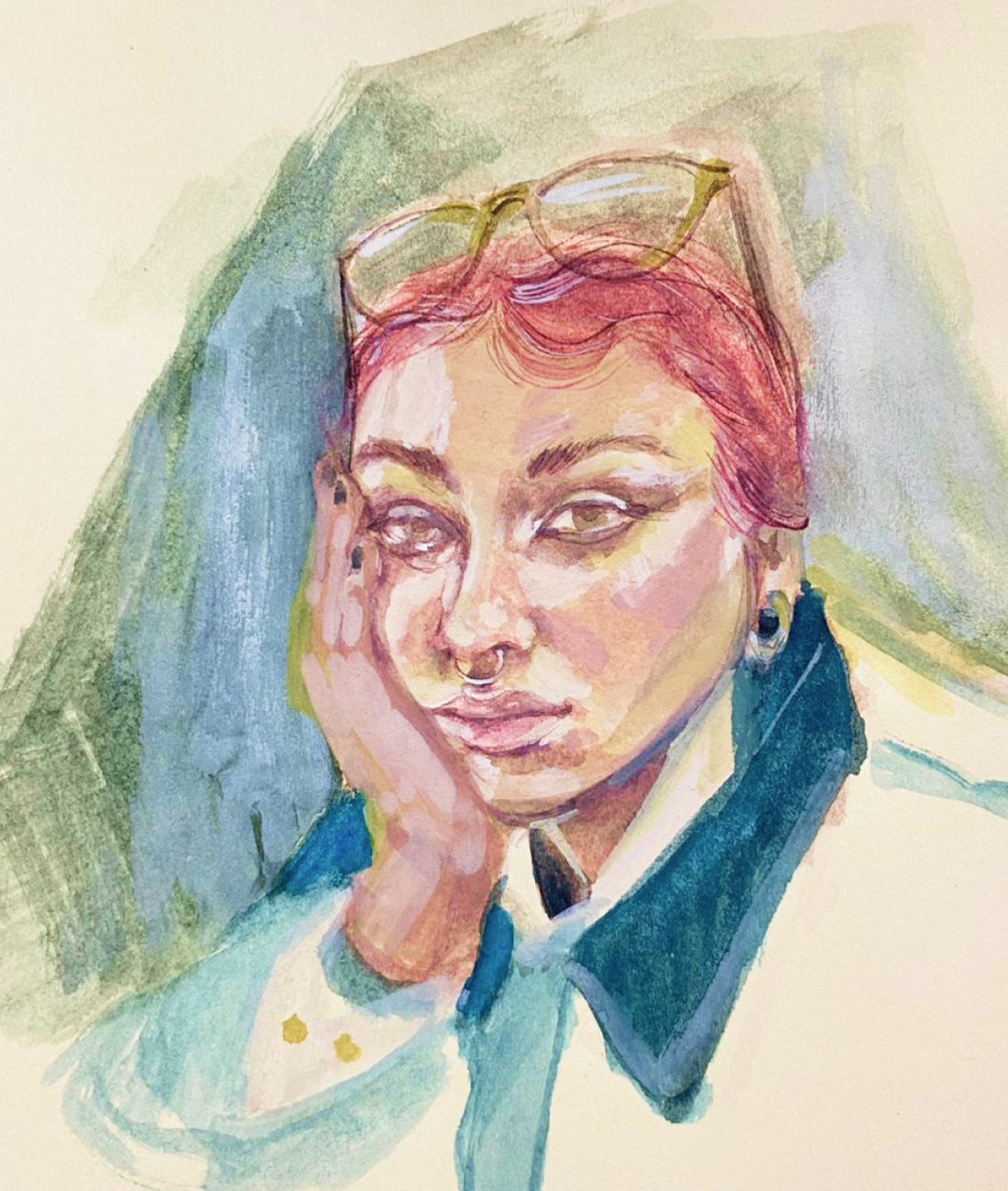
Fun fact: I always wear my glasses on my head… and then wonder why everything’s blurry.